Editorial illustration
Start with the model, not the camera
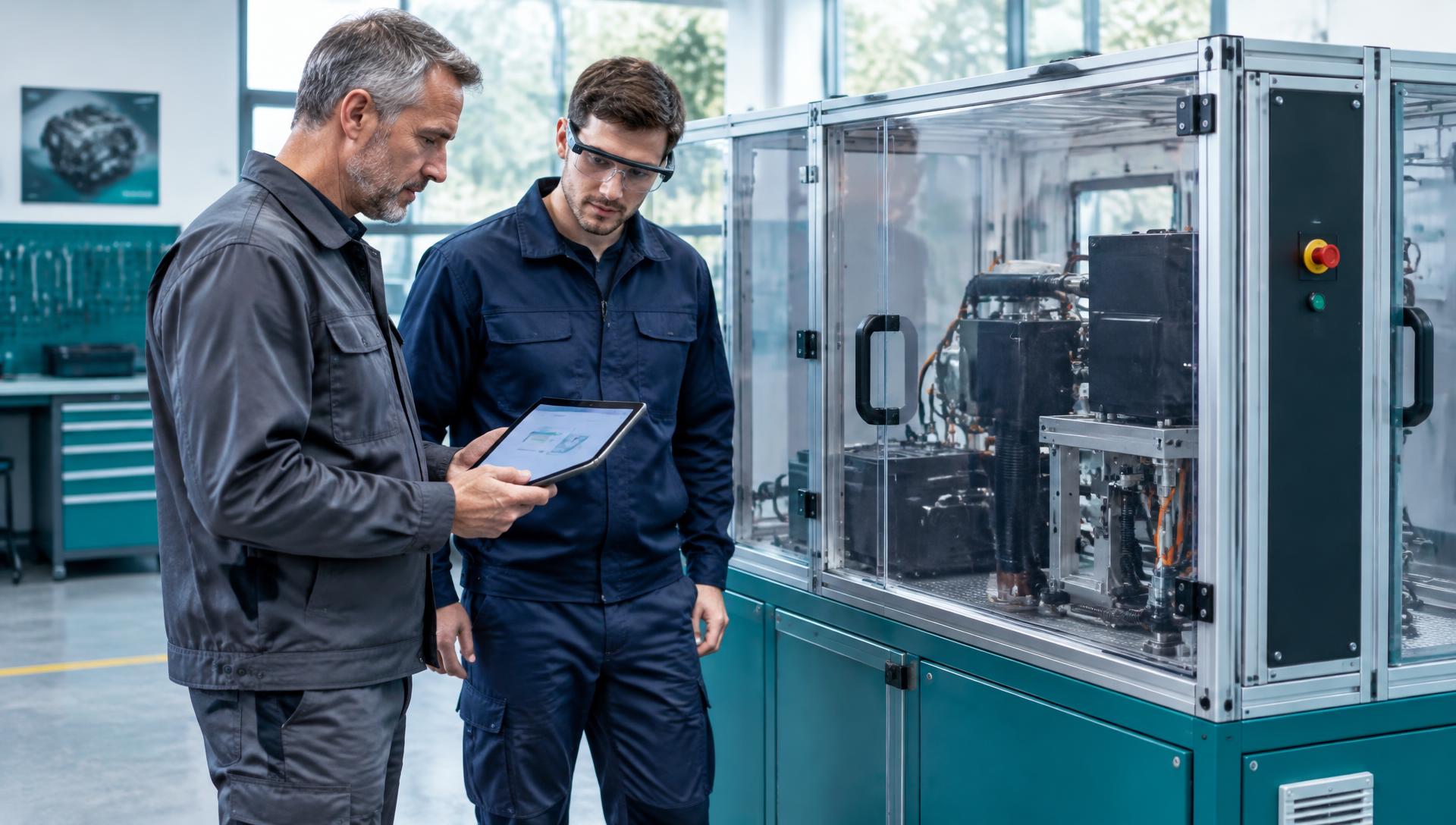
In a training-centre trial with a customer, we examined the practical capability required for a high-voltage battery-module testing activity. We started with the screening activity details and the profile model in MOBILAR®. These defined the work and the relevant requirements before any recording was interpreted. This article describes the assessment approach, not a technical battery-testing procedure.
Turn requirements into observation points
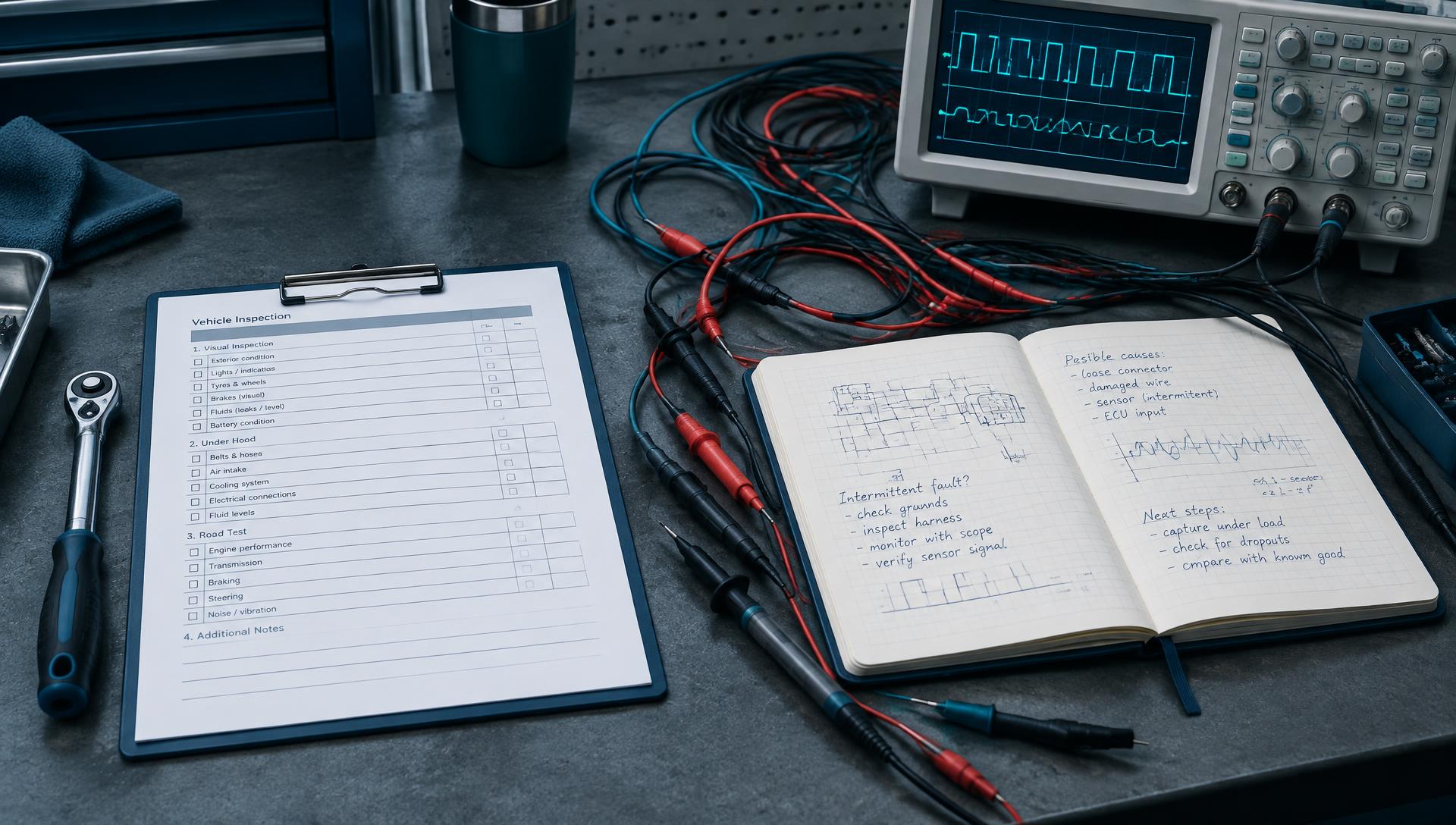
The MOBILAR® Agent helped identify relevant observation points, draft a detailed checklist and connect those points to skill indicators. The first checklist was ready in approximately 30 minutes during this particular trial. This is a reported initial experience, not a general service promise or an independently benchmarked productivity result. A qualified expert needs to check whether the proposed activity and checkpoints fit the context.
Recorded work supports review
The technician performed the activity wearing smart glasses. The pilot explored how AI could analyse the recording and help propose entries for the checklist. Camera coverage, visibility and missing evidence all affect what can be interpreted. Photo and video evidence evaluation remains Pilot; it is not an autonomous final assessment.
The assessor has the final responsibility
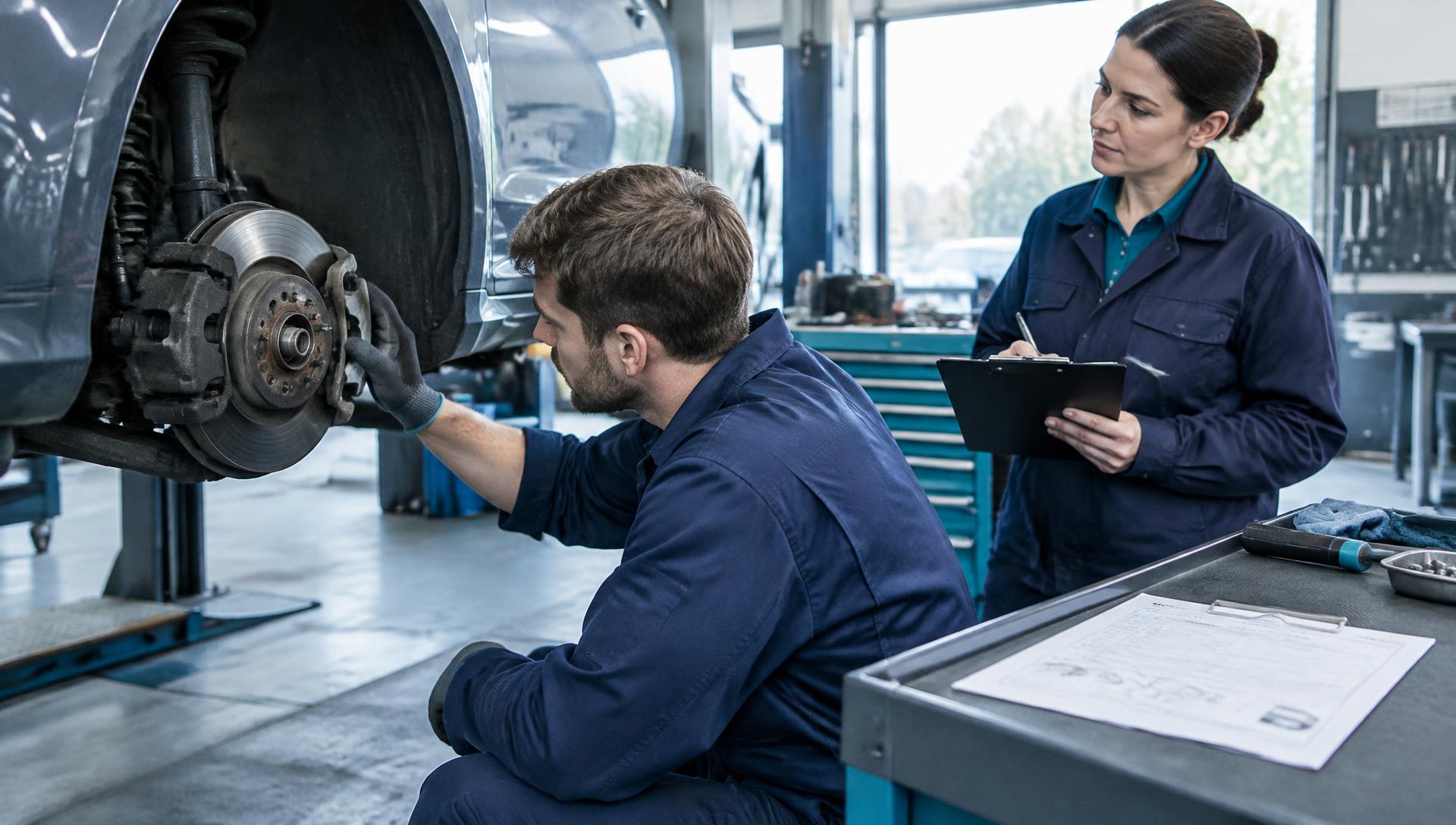
The Assistant’s assessment remains a proposal. The final result must always be reviewed and validated by a qualified person. They can confirm, adjust or reject the suggestion, or ask for additional evidence. A recording cannot demonstrate an action that is not visible, and a consistent proposal is not automatically a correct one.
What the first trials suggested
We recorded several interventions to explore how consistently the activities would be interpreted. The initial experience suggested potential for greater repeatability. That observation is not independent validation, a reliability statistic or a cost guarantee. Defined observation points, a structured skills model, AI vision and human validation create a foundation worth testing carefully in real work environments.
AI supports the assessor; it does not replace them
The opportunity is faster preparation and more structured evidence review while respecting each organisation’s work context and standards. The next step is to examine visibility, consistency and reviewer judgement across more activities. AI does not replace the assessor. It supports a more explicit foundation for the assessor’s decision.
A practical example
The source describes a training-centre trial using smart glasses and an AI-assisted checklist. The approximately 30-minute preparation was specific to that trial, not a guaranteed duration.
Questions we often hear
Does AI issue the final assessment?
No. The result remains a proposal until reviewed and validated by a qualified person.
Is video evidence evaluation generally available?
It remains Pilot. Scope and evidence-capture requirements need to be agreed for each situation.